Dental Plaque: What It Is, Risks, and How To Remove It
You’ve likely heard your dentist, a television commercial, or a health class speak about plaque. You probably know that it’s not great, it’s bad for your health, and that it should be removed.
But what is it, really? And why is it so detrimental to your oral health? What’s the best way to remove it? And can it be done at home?
Unfortunately, plaque is one of the leading causes of tooth decay and causes millions of cavities around the world each year. It can also cause serious issues, like gum disease, and other oral health problems. If your gums are bleeding, if you have an unsightly film on your teeth, or if you have persistent bad breath, it could be due to plaque.
The good news is, with proper oral care and hygiene, as well as regular trips to the dentist, plaque can be defeated. Here’s how dental plaque works, how to remove plaque from teeth, and what you can do to keep your mouth and body healthy.
Call (844) 8-SMILE-NOW or fill out the form to make an appointment today!
What Is Dental Plaque on Teeth?
Dental plaque is a sticky, usually colorless, film that builds on the teeth over the course of the day and while you’re sleeping. It’s made of your saliva, food particles, naturally occurring bacteria in your mouth, and the byproducts of those bacteria, which are acidic and caustic to the enamel of your teeth.
Because plaque is often invisible, many people don’t know it’s accumulating on the teeth. Plaque buildup can begin just hours after brushing. Unless it’s removed by hygiene measures, such as brushing, flossing, and using mouthwash, it can harden into a substance called tartar.
Tartar — hardened plaque — unfortunately cannot be removed at home and needs to be removed by a dentist. Ideally, you’ll remove the plaque before it gets to this stage, but even with the most conscientious oral care, you can still develop tartar in places that are difficult to clean.
One of the most dangerous places to develop plaque and tartar are along the gumline, as they can be a cause of gum disease, which can be a serious health issue.
The Difference Between Plaque and Tartar
While these terms are sometimes used interchangeably, there are some significant differences to be aware of. Tartar is plaque that has hardened. Tartar cannot be removed through normal means at home and must be removed at the dentist’s office with special tools.
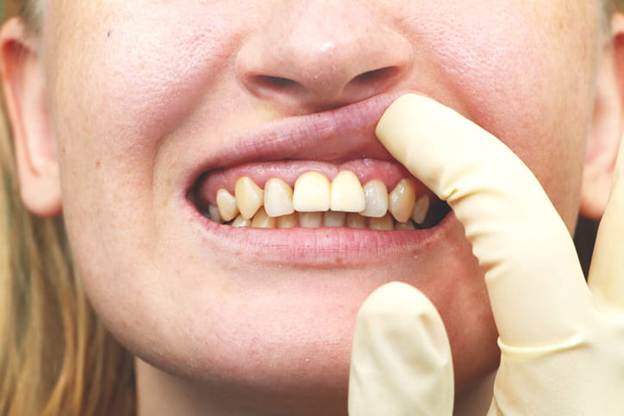
Unlike plaque, tartar is often visible. It is usually chalky-white, yellow, or brown. Tartar is particularly pernicious near the gumline, as it can allow bacteria into the space between the gums and the teeth, which causes gum disease.

Regular Price:
$179
With this offer, there’s no excuse not to get back on track! Schedule a complete exam and x-rays for only $39 and ensure you have a beautiful healthy smile.
What Our Patients Say
thank u for taking care of my boys :)
I love their Orthodontist office Dr. Askin is a great man great staff as well thank u for taking care…
They make sure you're in no pain when they do teeth fillings
They staff is so caring and they always try and get me in as fast as possible also they make…
Great atmosphere and customer service!
One of the best experience I've have with Absolute Dental. I love the customer service that is given to all…
Kayleen did a great job polishing my teeth!
I am very happy with the care for my teeth and gums that I have been getting coming here. I…
Same day teeth cleaning and a teeth whitening
I had a toothache, got that taken care of same-day with teeth cleaning and a teeth whitening. If you need…
We have been going here for a few years now. This is where we plan to keep coming!
We have been going here for a few years now. The staff is very nice and helpful . I appreciate…
Symptoms and Signs of Plaque Buildup
Plaque is not always easy to see, especially until it turns into tartar. Plaque is best fought by brushing your teeth twice a day, in the morning before breakfast, and at night before bed. You should also floss before brushing in the evening and see your dentist twice per year for professional cleaning.
Other symptoms that you might have plaque on your teeth include a “fuzzy” feeling in the mouth, bad breath, and yellowing near your gumline.
If your gums are bleeding, especially when you brush or when you eat, this may be a sign that something is wrong as well, and you should be inspected by a dentist. Any gum redness or swelling may be an indication of something serious, too.
In some cases, when beginning a new flossing routine, your gums will bleed slightly. This is not a problem, unless it does not disappear within a week or two.
How Plaque Damages Your Teeth and Gums
Plaque is detrimental to your teeth primarily for two reasons — because it causes tooth decay, and because it causes gum disease.
It causes tooth decay because the byproducts of the bacteria in your mouth are acidic and slowly dissolve the hard, outer, protective layer of your teeth, called enamel. If not removed regularly, plaque can cause the enamel to dissolve completely, exposing the soft and tender center of the teeth, called dentin. In basic terms, this is what a cavity is, also known as tooth decay.
Plaque can also damage your gums by building up along the gumline. This buildup can allow bacteria to enter the space between the gumline and the teeth. This is the cause of gingivitis.
Gingivitis is the early stage of gum disease. In most cases, it can be managed at home with proper oral hygiene care, including regular visits to the dentist. However, once gingivitis progresses to periodontal disease, it must be managed professionally with the help of a periodontist.
How To Get Rid of Plaque at Home
Getting rid of plaque at home is easy and straightforward: Brush your teeth twice per day, before breakfast in the morning and before bed in the evening and floss your teeth in the evening before brushing. You may also elect to use an antibacterial mouthwash, but it should not replace either brushing or flossing.
You should also see your dentist twice per year or as directed for a professional cleaning.
We Accept Most Dental Insurance
Absolute Dental is a preferred provider for most insurances, unions, and hotels that include: Aetna, Ameritas, Boon-Chapman, Caesars Palace, Cigna, Delta Dental, Diversified, Geha, Guardian, Harrah’s, HealthSCOPE Benefits, Health Plan of Nevada (HPN), Humana, Liberty, Met-Life, MGM-MIRAGE, Premier Access, The Standard, Station Casinos, Teachers Health Trust, United Concordia, United Healthcare, Venetian, and The Zenith. We also accept Medicaid.
No Insurance? No Problem. Try our Smile Saver Program
Every person’s situation is different. If you don’t see your health insurance here, or if you do not have dental insurance, we can help you!
Call us now to discuss your situation and discover what options are right for you.
(844) 8-SMILE-NOW




















The Role of Diet in Reducing Plaque
You’ve probably heard that sugar is bad for your teeth. It’s true. The bacteria in your mouth love to feed on sugar and starch, and both increase the risk of cavities. This happens because sugars allow the bacteria in your mouth to multiply faster, create bacterial byproducts faster, and can contribute to plaque sticking to your teeth with greater tenacity.
To reduce plaque and the cavities that come with it, try to reduce sugar, especially sugary soft drinks. Eating crunchy fruits and vegetables can also help clean the teeth of plaque as well.
Finally, always be sure to drink plenty of water.
Dental Plaque Treatment: Professional Teeth Cleaning in Las Vegas
If you’re in Las Vegas, Absolute Dental offers a full range of dental treatments and services, including professional teeth cleaning for the entire family.
Our offices are state-of-the-art and conveniently located, we offer many ways to pay for treatment, and our customers love our patient-centered approach to care. Schedule an appointment today by giving us a call or conveniently making an appointment online.
Frequently Asked Questions
Dental plaque is generally difficult to see, as it’s colorless. You may not even notice you have it until it turns into tartar. The best way to fight it is with good oral hygiene, including brushing twice per day and flossing in the evening.
No. While plaque can be removed at home through normal means, once plaque has hardened into tartar, you cannot remove it at home. You will need a professional cleaning to remove tartar from your teeth.
No, not really. Plaque is made up of food, as well as the natural bacteria in your mouth and their byproducts. It begins building again just hours after your last brushing. Ongoing oral hygiene is necessary to defeat it on a daily basis.
There could be many reasons your gums bleed when you do activities like brushing or flossing, including gum disease. If, when starting a new flossing routine, your gums don’t stop bleeding after a few weeks, see a dentist.
Schedule Your Teeth Cleaning in Las Vegas
Contact Absolute Dental now to schedule a teeth cleaning in Las Vegas. We’re always accepting new patients, and appointments are open now.
Atkinson, F., et al. (2021). The Impact of Carbohydrate Quality on Dental Plaque pH: Does the Glycemic Index of Starchy Foods Matter for Dental Health?
Plaque and Tartar on Teeth. (2026).
Why Does Sugar Hurt My Teeth? (2025).